Blog
Read →
Read here
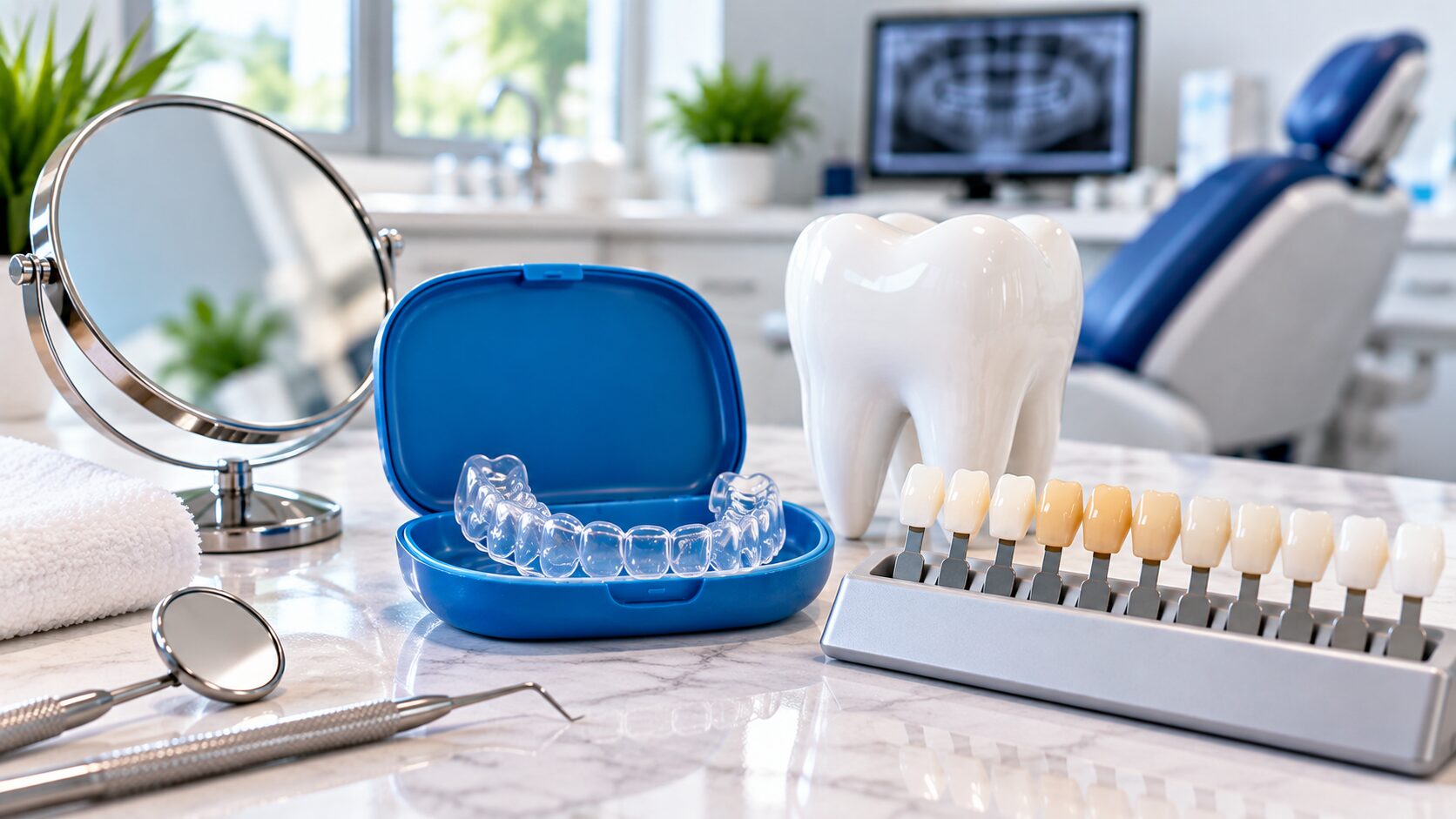
A brighter smile can make a noticeable difference in how your teeth look. Over time, teeth can become darker or develop stains from coffee, tea, certain foods, tobacco, aging, or other factors. If you’re considering teeth whitening in Fresno, understanding how whitening works and what to expect can help you choose the right treatment.
Professional teeth whitening is designed to lighten the appearance of natural teeth and reduce certain types of discoloration. Before scheduling treatment, it is important to understand the available options, what whitening can and cannot change, and why an evaluation with a dental professional may be helpful.
What Causes Teeth to Become Discolored?
Tooth discoloration can happen for several reasons. Some stains develop on the outside surface of the teeth, while others occur within the tooth.
Common causes include:
• Coffee, tea, and dark-colored beverages
• Certain foods and sauces
• Tobacco use
• Natural aging
• Poor oral hygiene
• Certain medications
• Changes within the tooth over time
The type and cause of discoloration can affect how well whitening treatment works. A dentist can examine your teeth and help determine whether whitening is an appropriate option.
How Does Professional Teeth Whitening Work?
Professional teeth whitening uses whitening agents to lighten the color of natural tooth enamel. Depending on the treatment selected, the whitening process may be completed in a dental office or with a dentist-provided take-home system.
The dentist will typically consider the current shade of your teeth, the type of staining present, and your overall oral health before recommending a whitening approach.
Professional treatment can provide more controlled whitening than many over-the-counter products because the treatment is selected and supervised by a dental professional.
What Should You Expect During a Teeth Whitening Appointment?
The exact process depends on the whitening system being used, but a professional appointment may include several steps.
Dental Evaluation
Before whitening, the dentist may check your teeth and gums to look for cavities, gum problems, cracks, or other concerns that may need attention first.
Treatment Planning
Your dentist can discuss your current tooth shade and the level of whitening you are hoping to achieve. This helps determine which option may be appropriate.
Whitening Treatment
Depending on the system, a whitening product is applied to the teeth for a specific amount of time. Some treatments are completed in the office, while others involve customized take-home trays.
Follow-Up and Maintenance
Your dentist may provide instructions for caring for your teeth after treatment and discuss ways to maintain your results.
Is Professional Teeth Whitening Better Than Store-Bought Products?
There are many whitening products available in stores, including whitening strips, toothpaste, gels, and other products. These can be useful for some people, but they may not provide the same level of customization as professional treatment.
A teeth whitening dentist can evaluate your teeth before treatment and recommend an option based on your needs. Professional whitening can also help identify dental problems that may need to be addressed before whitening.
The best choice depends on your teeth, the type of discoloration you have, your desired results, and your budget.
Can Teeth Whitening Remove Every Type of Stain?
No. Teeth whitening works best on certain types of discoloration and does not change the color of every dental material.
For example, existing crowns, bridges, fillings, and veneers generally do not whiten in the same way as natural teeth. If you have visible dental restorations, whitening may cause your natural teeth and restorations to have different shades.
A dental examination before treatment can help you understand what kind of result you can realistically expect.
Is Teeth Whitening Safe?
Professional teeth whitening is generally considered safe when used as directed. However, some people may experience temporary tooth sensitivity or gum irritation after treatment.
Sensitivity can depend on factors such as the concentration of the whitening product, treatment duration, and the condition of your teeth.
If you already have sensitive teeth, cavities, worn enamel, or other dental concerns, tell your dentist before beginning whitening treatment.
How Long Does Teeth Whitening Last?
Whitening results are not permanent. Teeth can gradually become discolored again as you continue eating and drinking foods and beverages that cause staining.
Your results may last longer when you maintain good oral hygiene and limit habits that contribute to discoloration. Your dentist can also explain whether occasional touch-up treatment may be appropriate.
How Can You Maintain a Whiter Smile?
After professional whitening, simple daily habits can help maintain your results.
Consider:
• Brushing your teeth twice a day
• Cleaning between your teeth regularly
• Visiting your dentist for routine checkups and cleanings
• Limiting frequent consumption of highly staining foods and drinks
• Avoiding tobacco products
• Following your dentist’s instructions for whitening maintenance
Good oral hygiene is important for your overall dental health as well as the appearance of your smile.
Looking for Teeth Whitening Near Me?
If you have searched for “teeth whitening near me,” convenience is probably one of the factors you are considering. Location matters, but it should not be the only factor when choosing a dental practice.
Look for a dental office that can evaluate your oral health, explain your whitening options, answer your questions, and provide realistic expectations about the results.
For patients considering teeth whitening in Fresno CA, choosing a local dental professional can make it easier to receive an evaluation and discuss treatment options based on the condition of your teeth.
Questions to Ask Before Teeth Whitening
Before starting treatment, consider asking your dentist:
• What is causing my tooth discoloration?
• Am I a good candidate for teeth whitening?
• Which whitening option is appropriate for me?
• How much whitening can I realistically expect?
• Could I experience tooth sensitivity?
• Will my existing fillings, crowns, or veneers change color?
• How long are the results expected to last?
• Will I need future touch-up treatments?
Getting clear answers can help you make a more informed decision about treatment.
Frequently Asked Questions
How long does professional teeth whitening take?
Treatment time depends on the whitening system being used. Some treatments can be completed during a dental appointment, while take-home options may require several applications.
Does teeth whitening hurt?
Most people do not experience significant discomfort, although temporary sensitivity can occur. Your dentist can discuss ways to manage sensitivity if you are prone to it.
Can yellow teeth be whitened?
Some yellow or stained teeth can respond well to whitening. However, the cause and depth of the discoloration can affect the results.
Can I whiten teeth with crowns or veneers?
Whitening products are intended for natural teeth and generally do not change the color of crowns or veneers. Your dentist can evaluate your smile and explain how existing restorations may affect the final appearance.
How often can I whiten my teeth?
The appropriate frequency depends on the whitening method and your individual dental health. It is best to follow the treatment and maintenance schedule recommended by your dentist.
Choosing Teeth Whitening in Fresno
If you are considering teeth whitening Fresno, start with an evaluation rather than choosing a treatment based only on the promised shade change. Your dentist can identify the cause of discoloration, check your oral health, and explain which whitening option may be suitable.
Professional whitening can be an effective way to brighten natural teeth, but the right treatment depends on your individual smile and expectations. A dental professional can help you understand what is realistic before you begin.
October 13, 2026

Read →
Read here
Professional Teeth Whitening can be an effective way to improve the appearance of teeth affected by stains and discoloration. Professional Teeth Whitening is performed under dental supervision, which allows the treatment approach to be selected according to the patient’s oral health and whitening goals. Professional Teeth Whitening can also provide more controlled results than some over the counter whitening products.
The longevity of Professional Teeth Whitening depends on several factors, including diet, oral hygiene, tobacco use, the type of staining, and individual habits. Professional Teeth Whitening does not permanently prevent teeth from becoming stained again because natural teeth continue to be exposed to foods, beverages, and other factors after treatment.
My 559 Dentist provides dental care information and treatment options for patients interested in improving and maintaining their oral health.
How Long Does Professional Teeth Whitening Last?
The results of professional teeth whitening can last for an extended period, but there is no single timeframe that applies to every patient. Some people may maintain noticeable whitening results for a long time, while others may experience discoloration sooner because of their diet, lifestyle, or the type of staining present.
Teeth whitening changes the appearance of natural tooth structure by reducing certain types of discoloration. It does not create a permanent barrier against future staining.
Several factors can influence how long results remain noticeable:
- Food and beverage choices
- Oral hygiene habits
- Tobacco use
- Natural tooth color
- Type and severity of staining
- Age
- Tooth structure
- Frequency of professional dental care
Because these factors vary between individuals, your teeth whitening dentist can provide more personalized guidance based on your dental condition and treatment.
What Causes Teeth to Become Discolored Again?
Teeth naturally encounter substances that can contribute to staining. Certain foods and drinks contain pigments that can attach to the surface of the teeth over time.
Common sources of external staining include:
- Coffee
- Tea
- Red wine
- Dark-colored soft drinks
- Berries
- Tomato-based foods
- Soy-based sauces
- Tobacco products
Frequent exposure to these substances does not necessarily mean that whitening results will disappear quickly. However, limiting repeated exposure and maintaining good oral hygiene can help reduce the buildup of new surface stains.
Some discoloration can also occur inside the tooth rather than only on the surface. Internal discoloration may have different causes and may respond differently to whitening treatment.
Maintain Good Oral Hygiene
One of the simplest ways to maintain teeth whitening results is to follow a consistent oral hygiene routine.
Regular brushing helps remove food particles and surface deposits that can contribute to staining. Cleaning between the teeth also helps remove debris from areas that a toothbrush cannot reach effectively.
A general oral hygiene routine may include:
- Brushing twice daily with an appropriate fluoride toothpaste
- Cleaning between teeth regularly
- Replacing your toothbrush or brush head as recommended
- Limiting frequent sugary snacks and drinks
- Drinking water throughout the day
- Attending regular dental examinations and cleanings
Your dentist can recommend products and techniques based on your individual oral health needs.
Be Mindful of Staining Foods and Drinks
You do not necessarily need to eliminate every food or beverage that can cause staining. Instead, being aware of how frequently you consume them can help you make practical choices.
For example, drinking water after consuming coffee, tea, or other strongly colored beverages can help rinse the mouth. Maintaining regular oral hygiene can also reduce the accumulation of substances on the tooth surface.
Some patients may choose to use a straw for certain beverages to reduce direct contact with the front teeth. However, this should be considered alongside other oral health factors.
The goal is not to avoid every potentially staining food. It is to reduce unnecessary exposure while maintaining a balanced diet.
Drink More Water
Water can support both oral hygiene and general health. Drinking water after meals or beverages can help rinse away food particles and pigments that may otherwise remain on the teeth.
Water is particularly useful when brushing immediately after eating is not practical.
Staying hydrated can also help support saliva production. Saliva naturally helps clear food particles and contributes to the mouth’s normal protective processes.
Choosing water instead of frequently consuming dark-colored or sugary beverages can therefore be a simple habit that supports the appearance of your smile.
Avoid Tobacco Products
Tobacco can contribute significantly to tooth discoloration. Smoking and other tobacco use can leave deposits on the teeth that may become increasingly noticeable over time.
Avoiding tobacco can help preserve the appearance of whitened teeth while also supporting overall oral health.
If you use tobacco and are concerned about staining, discuss your options with a dental professional. Professional advice can help you understand how tobacco exposure may affect both whitening results and your general oral health.
Understand the Difference Between Surface and Internal Stains
Not all tooth discoloration responds to whitening in the same way.
Surface stains may develop from foods, drinks, tobacco, or plaque buildup. These stains can often be addressed through professional cleaning and appropriate whitening treatment.
Internal discoloration may result from factors such as aging, trauma, certain medications, or changes within the tooth structure. In these situations, whitening may have limitations.
Before undergoing additional teeth whitening, it is important to determine why the teeth have become discolored. A dental examination can help identify whether whitening is an appropriate option.
Be Careful With At Home Whitening Products
There are many over the counter whitening products available, including whitening strips, toothpastes, gels, rinses, and other products.
These products vary in their ingredients and strength. Using them too frequently or incorrectly may contribute to tooth sensitivity or gum irritation.
If you have already received Professional Teeth Whitening, ask your dental professional before adding another whitening product to your routine.
A dentist can help determine whether additional whitening is necessary and whether a particular product is suitable for your teeth and gums.
Manage Tooth Sensitivity
Temporary tooth sensitivity can occur with some whitening treatments. The degree of sensitivity varies between individuals and may depend on factors such as existing enamel sensitivity, gum recession, and the whitening method used.
If you experience sensitivity after whitening, your dentist may recommend ways to make your oral care routine more comfortable.
Avoiding extremely hot or cold foods and drinks for a short period may also be helpful for people experiencing temporary sensitivity.
Persistent or severe sensitivity should not simply be assumed to be a normal consequence of whitening. It may indicate another dental issue that needs professional evaluation.
Can Whitening Be Repeated?
Professional teeth whitening may be repeated when appropriate, but the timing should depend on individual circumstances.
Repeated whitening is not necessarily better. Excessive or unnecessary whitening may increase the likelihood of sensitivity or irritation.
Before repeating treatment, consider whether the change in tooth color is caused by new surface staining, natural changes in tooth color, or another dental concern.
Your dental professional can evaluate the condition of your teeth and determine whether additional whitening is appropriate.
When Should You Visit a Teeth Whitening Dentist?
A teeth whitening dentist can evaluate your teeth before treatment and determine whether whitening is suitable for your specific situation.
A professional evaluation may be especially useful if you have:
- Existing tooth sensitivity
- Gum problems
- Tooth-colored fillings or restorations
- Crowns or veneers
- Significant discoloration
- Cracked or damaged teeth
- Untreated cavities
- A history of dental trauma
Whitening products primarily affect natural tooth structure. Existing restorations may not change color in the same way as natural teeth, which can affect the overall appearance of the smile.
A dental examination can help identify these considerations before treatment.
How Can a Cosmetic Dentist Help?
A cosmetic dentist can discuss whitening alongside other treatments that address the appearance of teeth. Whitening may be appropriate for generalized discoloration, while other concerns may involve tooth shape, spacing, damage, or restorations.
The appropriate treatment depends on the underlying concern rather than simply the desired shade.
Patients should understand what whitening can and cannot change before deciding on treatment. This helps create realistic expectations about the results and their longevity.
What Should You Do After Professional Teeth Whitening?
After treatment, simple daily habits can help maintain the results.
Consider these practical steps:
- Follow your dentist’s post treatment instructions.
- Maintain consistent brushing and interdental cleaning.
- Drink water regularly.
- Limit frequent exposure to strongly staining foods and drinks.
- Avoid tobacco products.
- Attend regular dental examinations.
- Have professional cleanings as recommended.
- Discuss sensitivity or new discoloration with your dentist.
These habits do not guarantee that teeth will remain the same shade permanently, but they can help reduce factors that contribute to new staining.
Final Thoughts
Professional Teeth Whitening can improve the appearance of natural teeth, but maintaining the results requires ongoing care. The longevity of teeth whitening depends on individual factors such as diet, oral hygiene, tobacco use, the type of staining, and the natural aging process.
Good oral hygiene, regular dental cleanings, sensible food and beverage choices, and professional dental examinations can help maintain a brighter appearance. It is also important to avoid excessive whitening and to have unexplained discoloration evaluated before repeating treatment.
If you have questions about Professional Teeth Whitening, maintaining your results, or other cosmetic dental concerns, Contact us to discuss your dental needs.
Frequently Asked Questions
Q1. How long does Professional Teeth Whitening last?
The duration varies from person to person. Diet, oral hygiene, tobacco use, staining habits, natural tooth color, and the type of whitening treatment can all influence how long the results remain noticeable.
Q2. Can coffee and tea affect teeth whitening results?
Yes. Coffee and tea contain pigments that can contribute to surface staining over time. Drinking water afterward and maintaining consistent oral hygiene can help reduce the accumulation of stains.
Q3. Can I whiten my teeth again after Professional Teeth Whitening?
Additional whitening may be appropriate for some patients, but it should not be performed unnecessarily or excessively. A dental professional can determine whether further treatment is suitable for your teeth.
Q4. Does teeth whitening work on crowns and fillings?
Whitening treatments primarily affect natural tooth structure. Crowns, fillings, veneers, and other restorations may not change color in the same way as natural teeth, so professional evaluation is recommended.
Q5. How can I maintain my teeth whitening results?
Maintain regular brushing and interdental cleaning, drink water regularly, limit frequent exposure to staining foods and beverages, avoid tobacco products, and attend recommended dental examinations and cleanings.
September 8, 2026

Read →
Read here
Missing teeth can affect daily activities such as eating, speaking, and maintaining confidence in your smile. Dental Implants offer a long-term solution for replacing missing teeth by restoring both function and appearance. Understanding the Dental Implants process can help patients know what to expect before beginning treatment. From the first consultation to the final restoration, each stage plays an important role in creating a stable and natural-looking replacement.
At My 559 Dentist, patients can learn more about the dental implant process and how this treatment can support different tooth replacement needs. Dental implants involve placing a small titanium post into the jawbone, which acts as an artificial tooth root and provides support for a custom-made crown. For individuals searching for dental implants near me or Fresno CA dental implants, understanding the complete procedure can make treatment decisions easier.
A dental implant procedure requires careful planning, precise placement, and proper aftercare. Each step is designed to ensure the implant heals correctly and provides long-term support for the replacement tooth.
What Is a Dental Implant Procedure?
A dental implant procedure is a treatment used to replace missing teeth by placing an artificial tooth root into the jawbone. The implant is usually made from titanium because it is strong, durable, and compatible with the human body.
Unlike traditional tooth replacement options, dental implants replace both the visible tooth and the missing root structure. This allows the implant to provide stability while helping maintain jawbone strength.
The dental implant process generally includes several stages:
- Initial consultation and oral examination
- Treatment planning and preparation
- Implant placement
- Healing and bone integration
- Placement of the final restoration
- Recovery and ongoing maintenance
Each stage is important for achieving a comfortable and functional result.
Step 1: Initial Consultation and Dental Evaluation
The first step in the dental implant process is a detailed consultation. During this appointment, the dentist evaluates the patient’s oral health, discusses treatment goals, and determines whether implants are a suitable option.
The evaluation may include:
- Examination of teeth and gums
- Digital X-rays or dental imaging
- Review of jawbone structure
- Assessment of overall oral health
The condition of the jawbone is especially important because the implant needs enough support to remain stable. If the bone has weakened after tooth loss, additional procedures may be recommended before implant placement.
This consultation allows the dentist to create a personalized treatment plan based on the patient’s specific needs.
Step 2: Treatment Planning and Preparation
After the evaluation, the dentist develops a detailed plan for the implant procedure. This includes deciding the ideal implant placement location and determining the type of restoration needed.
The treatment plan considers factors such as:
- Number of missing teeth
- Condition of surrounding teeth
- Jawbone density
- Bite alignment
- Desired appearance of the final restoration
In some cases, patients may need procedures such as bone grafting to improve the strength and volume of the jawbone before receiving implants.
Proper preparation helps create a strong foundation for the dental implant.
Step 3: Dental Implant Placement
The next step in the dental implants step by step process is placing the implant into the jawbone.
During this procedure, the dentist carefully inserts a titanium implant post into the prepared area. Local anesthesia is used to help ensure patient comfort during placement.
After the implant is positioned, the gum tissue is allowed to heal around the area. The implant then begins a process called osseointegration, where it bonds naturally with the surrounding bone.
This connection is what allows the implant to function similarly to a natural tooth root.
Step 4: Healing and Osseointegration Period
After implant placement, the healing period begins. During this time, the implant gradually becomes integrated with the jawbone.
The length of healing varies depending on individual factors such as:
- Bone quality
- Number of implants placed
- Overall oral health
- Healing response
Patients may receive temporary tooth replacements during this stage if needed. Following care instructions during recovery helps support successful healing.
Maintaining good oral hygiene and attending follow-up appointments are important parts of this stage.
Step 5: Placement of the Abutment and Crown
Once the implant has fully healed and bonded with the jawbone, the next step is attaching the abutment.
The abutment connects the implant post to the final tooth restoration. After this connection is made, a custom dental crown is created and placed.
The crown is designed to match the surrounding teeth in:
- Shape
- Size
- Color
- Overall appearance
The goal is to create a replacement tooth that feels comfortable and blends naturally with the smile.
Step 6: Recovery After Dental Implant Surgery
Recovery is an important part of the dental implant procedure. While healing times vary, many patients gradually return to normal activities after the placement process.
During recovery, patients may need to follow specific care instructions, including:
- Keeping the implant area clean
- Following dietary recommendations
- Avoiding pressure on the treated area
- Attending follow-up appointments
Mild discomfort or swelling may occur after the procedure, but proper care can support a smoother recovery.
Benefits of Dental Implants
Dental implants provide several advantages compared with some other tooth replacement options. Because they are anchored into the jawbone, they offer stability and support similar to natural teeth.
Some benefits include:
- Improved chewing ability
- Support for jawbone preservation
- Natural-looking results
- Comfortable tooth replacement
- Long-term durability with proper care
Dental implants can also help prevent changes that may occur after tooth loss, such as gradual bone deterioration in the missing tooth area.
Patients interested in improving their smile appearance may also explore cosmetic treatments such as teeth whitening as part of their overall dental care plan.
How Long Does the Dental Implant Process Take?
The complete dental implant process timeline depends on each patient’s situation. Some people may complete treatment within several months, while others may require additional procedures that extend the timeline.
Factors that can affect treatment duration include:
- Need for bone grafting
- Healing time after implant placement
- Number of implants needed
- Individual recovery progress
A dental professional can provide a more accurate timeline after evaluating the patient’s oral condition.
Choosing the Right Dental Implant Treatment Option
Every patient has different dental needs, so the right implant approach depends on factors such as tooth loss, oral health, and personal goals.
Patients searching for dental implants near me should consider a provider who evaluates their condition carefully and creates a treatment plan based on their specific requirements.
For those exploring Fresno CA dental implants, understanding each stage of treatment can help prepare for the consultation and recovery process.
Conclusion
The dental implant procedure involves several carefully planned steps, from the initial consultation to implant placement, healing, restoration, and long-term maintenance. Understanding the dental implant process helps patients know what to expect and make informed decisions about replacing missing teeth.
Following the dental implants step by step approach allows dentists to create stable and natural-looking results while supporting long-term oral health.
To learn more about dental implant treatment options or discuss your dental needs, visit Contact Us and schedule a consultation with My 559 Dentist.
Frequently Asked Questions
Q1. How long does a dental implant procedure take?
The timeline varies depending on individual needs. Some patients complete treatment within a few months, while others may require additional procedures that extend the process.
Q2. Is the dental implant procedure painful?
Most patients experience minimal discomfort because anesthesia is used during implant placement. Some soreness or swelling may occur during recovery.
Q3. How long does it take for dental implants to heal?
Healing time depends on factors such as bone condition and overall health. The implant usually needs time to bond with the jawbone before the final restoration is placed.
Q4. Are dental implants better than other tooth replacement options?
Dental implants provide stability because they replace the tooth root and are secured into the jawbone. The best option depends on each patient’s oral health and treatment goals.
Q5. How should I care for dental implants after the procedure?
Dental implants should be cared for with regular brushing, flossing, dental checkups, and professional cleanings to maintain their function and appearance.
July 20, 2026

Read →
Read here
Searching for a Dental Office near me is often the first step when someone is dealing with tooth pain, routine checkups, or urgent dental concerns. In Fresno, patients have many options, but choosing the right provider in 2026 requires more than just location convenience. It requires understanding care quality, availability, affordability, and trust.
When people search for a Dental Office near me, they are usually looking for fast access, reliable treatment, and a clinic that can handle both routine and emergency needs. That is why choosing the right provider matters for long term oral health and peace of mind.
Patients in Fresno increasingly rely on trusted providers like My 559 Dentist for consistent care, modern treatment options, and patient focused services that prioritize comfort and long term dental health.
Why Choosing the Right Dental Office Matters in 2026
Dental care has evolved significantly in recent years. In 2026, patients expect more advanced treatment options, faster service, and better communication from their dental providers. A dental clinic is no longer just a place for cleanings, it is a full service health provider.
Key expectations include:
- Same day emergency care availability
- Digital imaging and modern diagnostics
- Transparent pricing and treatment plans
- Comfortable and patient centered experience
When searching for a dental clinic near me, patients should prioritize quality of care over convenience alone.
What Makes a Good Dental Office in Fresno
Not all dental offices provide the same level of service. A good dental office should offer comprehensive care, experienced professionals, and a welcoming environment.
Important qualities include:
- Licensed and experienced dentists
- Modern dental equipment
- Clean and safe facilities
- Clear communication with patients
Patients who take time to evaluate their options often find better long term care outcomes and fewer unexpected dental issues.
Emergency Dental Care and Why It Matters
Dental emergencies can happen at any time, from sudden tooth pain to broken teeth or infections. In these situations, finding an emergency dentist fresno becomes a priority.
Common dental emergencies include:
- Severe toothache or infection
- Broken or chipped teeth
- Lost fillings or crowns
- Swelling or gum pain
A reliable dental office should offer emergency services or same day appointments to handle urgent situations quickly.
Importance of Affordable Dental Care in Fresno
Cost is one of the biggest concerns for many patients when choosing a dental provider. Access to affordable dental care in fresno ensures that patients do not delay treatment due to financial concerns.
Affordable care options may include:
- Payment plans for major treatments
- Insurance friendly services
- Preventive care packages
- Transparent pricing structures
Delaying treatment due to cost can often lead to more serious and expensive dental problems in the future.
Understanding Local Dentist Reviews
Before choosing a provider, many patients look at local dentist reviews to understand real patient experiences. Reviews offer insight into service quality, wait times, and overall satisfaction.
When reading reviews, patients should look for:
- Consistent positive feedback
- Comments on staff professionalism
- Cleanliness and comfort of clinic
- Quality of treatment outcomes
Reviews help patients make informed decisions when selecting a long term dental provider.
Finding the Nearest Dentist Open Today
Dental problems do not always happen during regular business hours. Many patients search for nearest dentist open today when experiencing sudden pain or discomfort.
Key factors to consider include:
- Same day appointment availability
- Weekend or extended hours
- Emergency walk in services
- Quick response time
Having access to a dental office that can provide immediate care is essential for managing unexpected dental issues.
Services Offered in a Modern Dental Office
A modern dental office provides a wide range of services beyond basic cleanings. Patients in Fresno expect comprehensive care under one roof.
Common services include:
- Preventive cleanings and exams
- Cosmetic dentistry procedures
- Restorative treatments like fillings and crowns
- Emergency dental care
A full service clinic ensures that patients do not need to visit multiple locations for different treatments.
Role of Preventive Dental Care
Preventive care is the foundation of long term oral health. Regular visits to a dental office help detect issues early and prevent serious complications.
Preventive care includes:
- Routine dental checkups
- Professional teeth cleaning
- X rays and diagnostics
- Gum disease prevention
Patients who maintain regular visits are less likely to experience severe dental problems.
How Technology Is Improving Dental Care
Modern dental offices in 2026 use advanced technology to improve accuracy, comfort, and treatment outcomes. This has significantly changed patient experience.
Technology benefits include:
- Digital X rays for faster diagnosis
- Pain free treatment techniques
- Improved cosmetic procedures
- Better treatment planning tools
Technology helps dentists provide safer and more efficient care for patients.
Choosing Between Multiple Dental Clinics
With many options available, patients often compare multiple clinics before making a decision. When searching for a dental clinic near me, it is important to evaluate more than just location.
Comparison factors include:
- Experience of dental team
- Range of services offered
- Patient satisfaction levels
- Emergency care availability
Choosing the right clinic ensures better long term oral health outcomes.
Importance of Patient Comfort and Experience
Dental anxiety is common, and a good dental office focuses on making patients feel comfortable and relaxed during treatment.
Comfort focused features include:
- Friendly and supportive staff
- Clear explanation of procedures
- Gentle treatment techniques
- Comfortable waiting and treatment areas
A positive patient experience encourages regular visits and better oral health habits.
Why Communication Matters in Dental Care
Clear communication between dentist and patient is essential for successful treatment. Patients should fully understand their diagnosis, treatment options, and costs before proceeding.
Good communication includes:
- Clear treatment explanations
- Transparent pricing discussions
- Honest recommendations
- Follow up care instructions
Strong communication builds trust between patients and providers.
Choosing a Trusted Dental Office in Fresno
Finding a trusted provider is essential for long term oral health. Many patients rely on established clinics About My 559 Dentist to ensure consistent care and reliable treatment options.
Trusted providers focus on:
- Long term patient relationships
- High quality treatment standards
- Preventive care focus
- Patient education and support
Trust plays a major role in maintaining regular dental care habits.
How to Book an Appointment Easily
Modern dental offices make it simple for patients to schedule appointments through online systems or direct contact methods. Quick booking helps patients receive timely care.
Easy booking options include:
- Online appointment forms
- Phone scheduling
- Emergency walk in availability
- Same day appointments
Patients can Contact My 559 Dentist to schedule care or request information.
Final Thoughts on Choosing a Dental Office
Selecting the right dental office in Fresno is about more than just convenience. It involves evaluating care quality, affordability, emergency availability, and patient experience.
Patients who take time to research their options are more likely to receive better long term care and avoid unexpected dental complications. Whether it is routine maintenance or urgent treatment, choosing a reliable provider ensures better oral health outcomes in 2026 and beyond.
Frequently Asked Questions
Q1. What should I look for in a dental office near me?
You should look for experienced dentists, modern equipment, emergency care options, transparent pricing, and positive patient reviews.
Q2. How do I find an emergency dentist fresno quickly?
Search for clinics offering same day appointments, extended hours, or walk in emergency dental services.
Q3. Is affordable dental care fresno available without insurance?
Yes, many dental offices offer payment plans, discounts, and flexible financing options for uninsured patients.
Q4. Why are local dentist reviews important?
Reviews help you understand patient experiences, service quality, and overall satisfaction before choosing a provider.
Q5. What if I need the nearest dentist open today?
Look for dental offices that offer same day appointments, emergency services, or extended working hours for urgent care.
June 18, 2026

